
 sale@stella-ist.com





We do not recommend using MDF panels in high-humidity areas. According to technical specifications, Stella MDF panels are designed for dry помещений only.
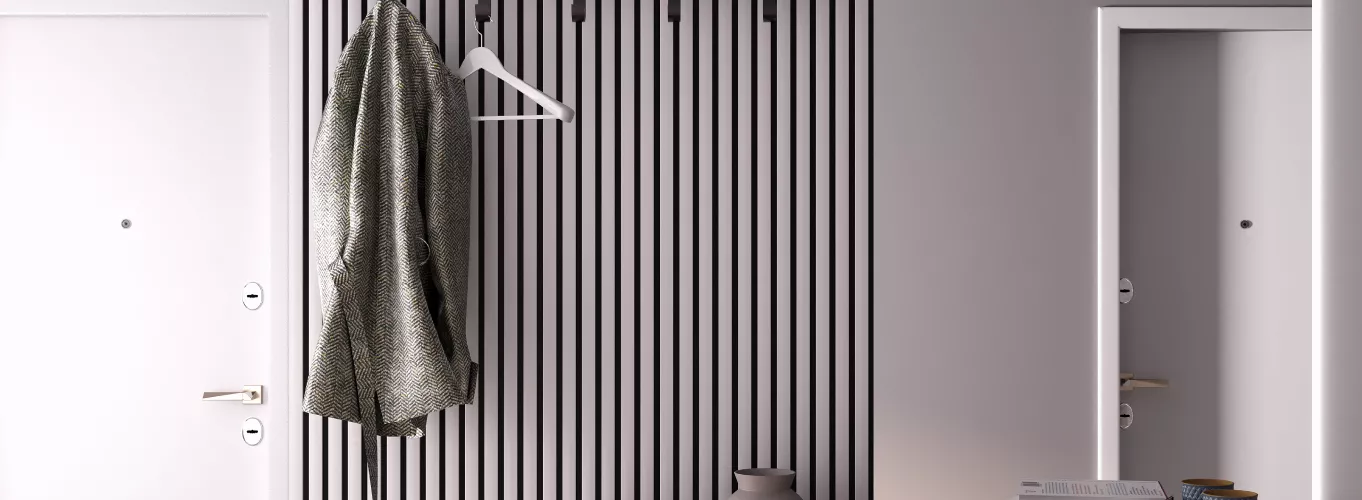
Wall panels or painting walls: which are more cost-effective, practical, and durable?
Article Contents
In the field of interior design, we regularly see clients making decisions about wall finishes based solely on the price of materials in a store. People see an inexpensive can of paint and assume they are saving money. But the real question is not the price of the paint — it’s the total cost of the finished wall.
This article is your guide to understanding real expenses, hidden complexities, and long-term value.
Two paths to perfect walls: a brief overview
Choosing between paint and panels is not just a choice of color or texture. It's a choice of technology that determines your budget, timeline, and the longevity of your renovation.
What are modern MDF wall panels
Modern Stella MDF wall panels are a high-tech material. We use high-density MDF board, covering all our products with a premium Belgian finish film.
Today, there are various MDF wall panel options on the market. We offer not only the classic interpretation — such as Stella MDF Classic wall panels — but also a current seasonal lineup including:
- Slatted MDF Panels
- Acoustic panels, which have become a bestseller and won the hearts of thousands of buyers.
We also had our creative, out-of-the-box customers in mind — those who value their own unique flair and want to add a splash of color to their interiors. We launched a NEW product: the Stella Beats Base Slatted MDF Wall Panel — a model that allows you to paint the panel in any color of your choice.
And the main advantage of Stella MDF panels is easy, intuitive installation. The panels are manufactured with a tongue-and-groove system, making them simple to mount using liquid nails and/or screws.
Panels vs. Paint
To make a fair comparison, let's analyze both finishes across the key criteria for any renovation.
Total "turnkey" cost — counting everything
This is the most important point, where the biggest misconceptions hide. Let's look at costs per 1 sq. m.
| Parameter | MDF Wall Panels | Wall Paint |
| Materials | Panel, adhesive, screws | Primer, plaster, filler, paint |
| Wall Preparation | Minimal (clean the wall) | Full cycle: leveling, plastering, filling, sanding |
| Labor Cost | Low (mount with adhesive or battens, screws) | High (payment for each preparation stage) |
As you can see, the apparent cheapness of paint disappears as soon as you add the cost of preparation work. Wall panel finishing is more cost-effective in most cases, especially in new builds or older housing stock with uneven walls.
Practicality and maintenance
Here, the practical aspect takes center stage.
- Paint. Matte paints tend to absorb dirt, and wiping away a stain without a trace is nearly impossible. Gloss paints are more durable, but every speck of dust and fingerprint is visible. A scratch or chip requires local touch-up, but matching the color perfectly is virtually impossible.
- MDF Wall Panels. The quality panels we produce at Stella are covered with a premium film. For the De Luxe collection models, an anti-fingerprint film is used. This coating is not afraid of damp cleaning, and most everyday stains can be easily removed with a regular sponge or microfiber cloth.
Durability and repairability: What happens in 5 years?
- Paint. Over time, paint can fade, especially in bright shades. Micro-cracks and scuffs appear. In the event of significant damage, you may need to repaint an entire wall — or sometimes the entire room — to avoid color mismatch.
- Wall Panels. The lifespan of quality MDF panels is 15–20 years. The color is protected by the film and does not fade. The key advantage: if one panel is damaged, it can be replaced individually without touching the rest of the wall. This is an especially important benefit for long-term planning.
Speed and "Mess" of renovation: How soon can you move in?
- Paint. This is a "wet," lengthy, and messy process. Plaster and filler require drying time between each coat. On average, preparing and painting a single room takes 5–10 days, accompanied by dust and mess.
- Wall Panels. This is a "dry" and fast installation. Finishing the walls of a room takes 1–2 days. No sanding dust, no waiting for things to dry. This is the best option when you need a renovation done quickly and without unnecessary inconvenience. Stella guarantees material availability in our warehouses and in major home improvement stores.
Aesthetics and Design: From scandi minimalism to industrial loft
It used to be thought that painting walls was the only way to achieve a modern design. That’s no longer true
- Paint. An endless choice of shades. Perfect for minimalist interiors where color plays a key role.
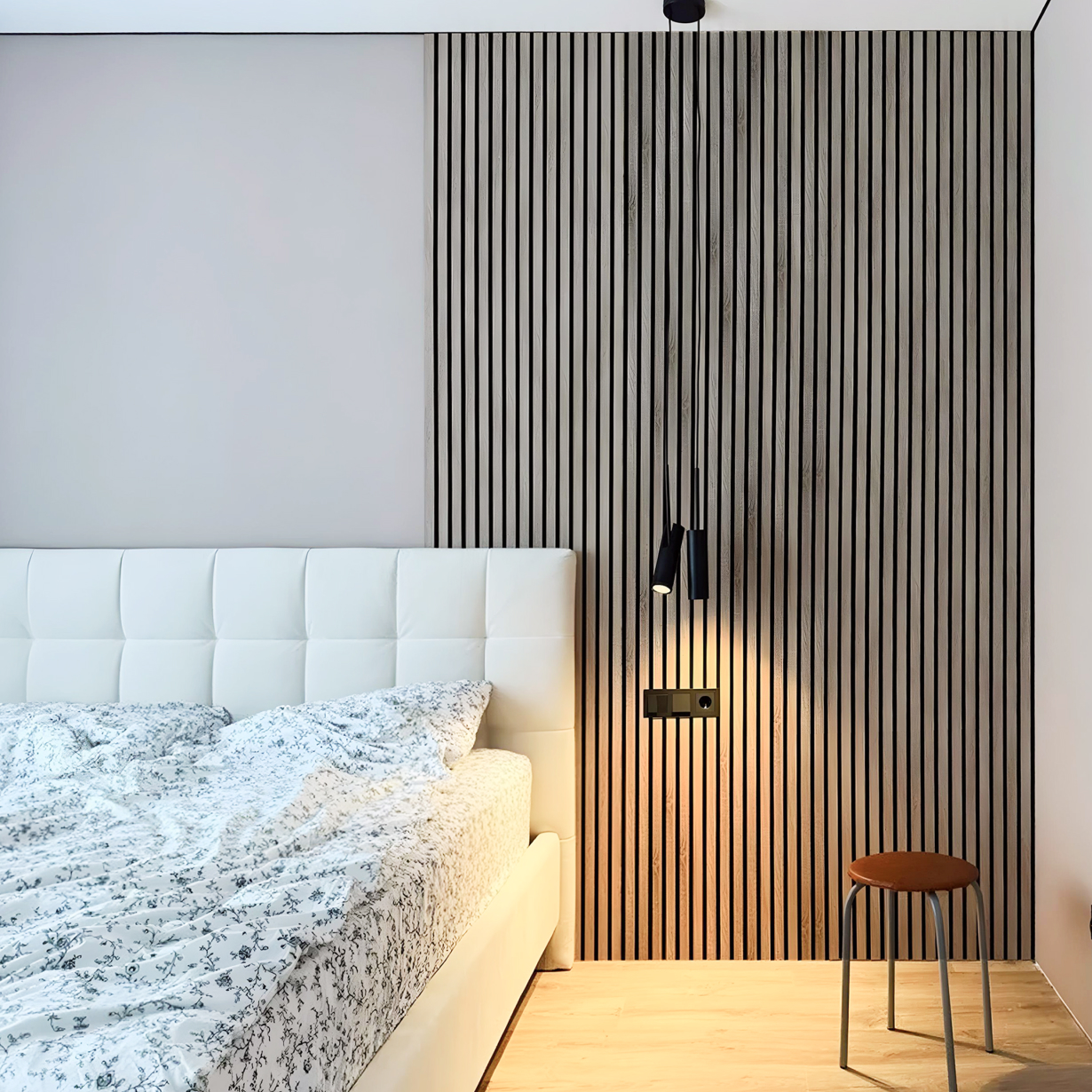
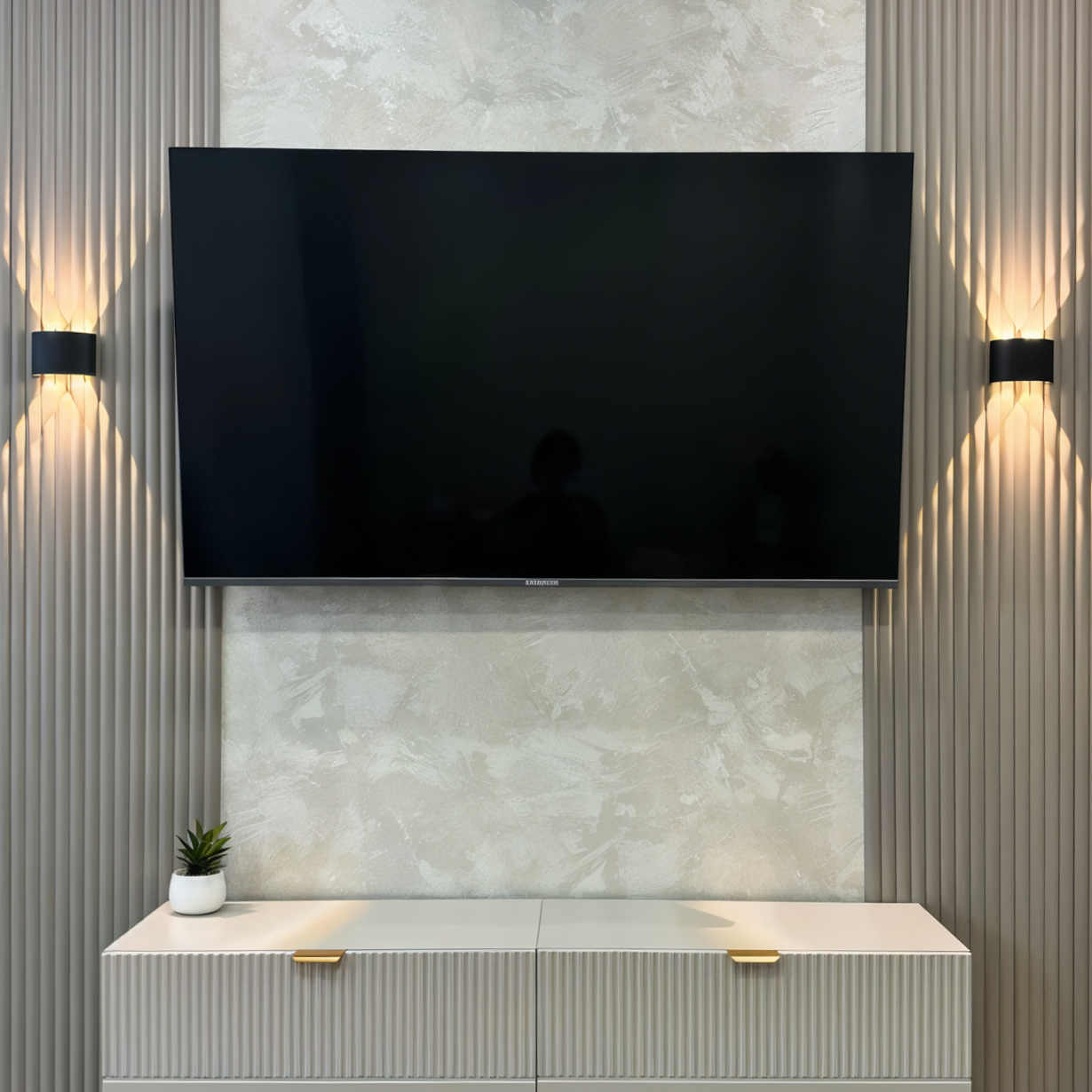
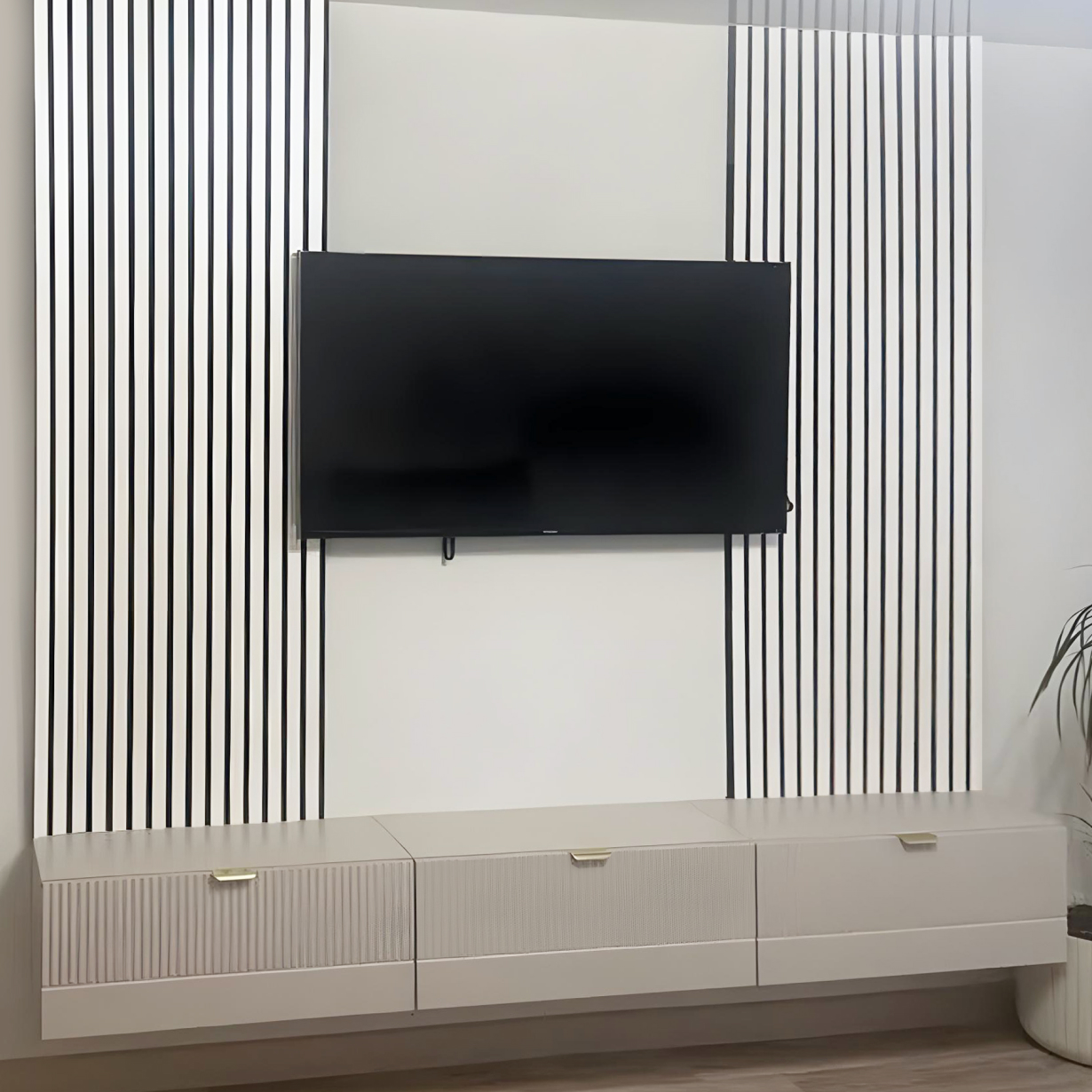
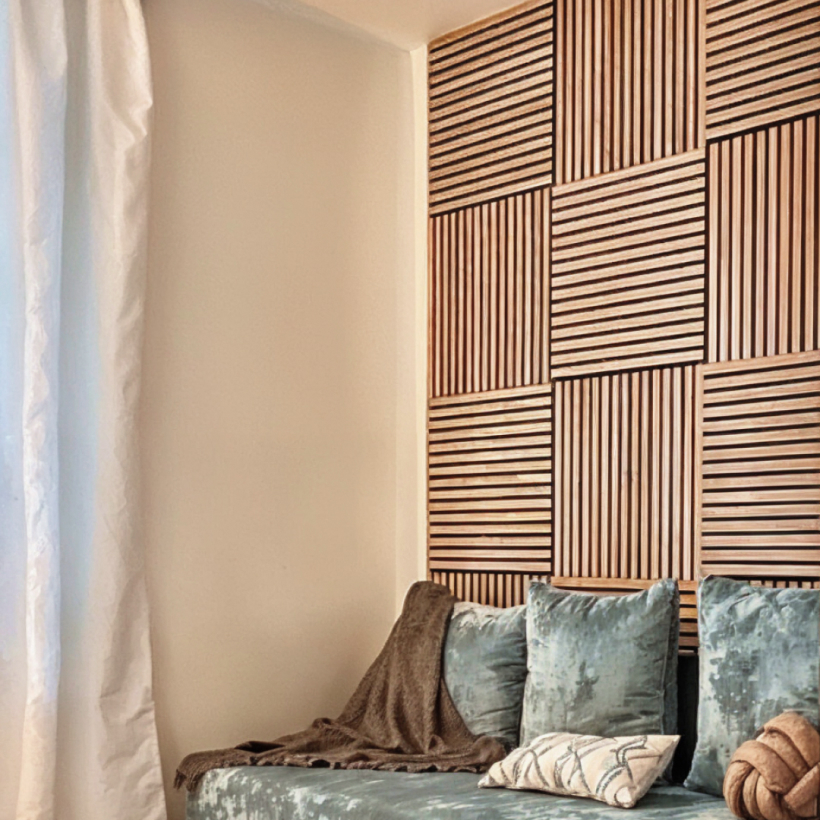
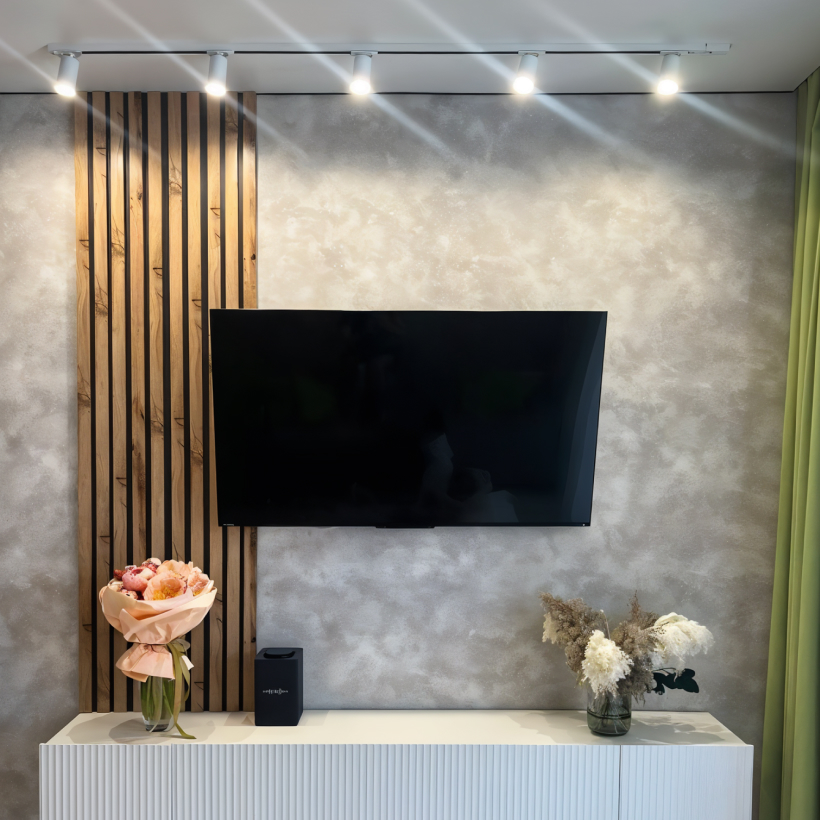
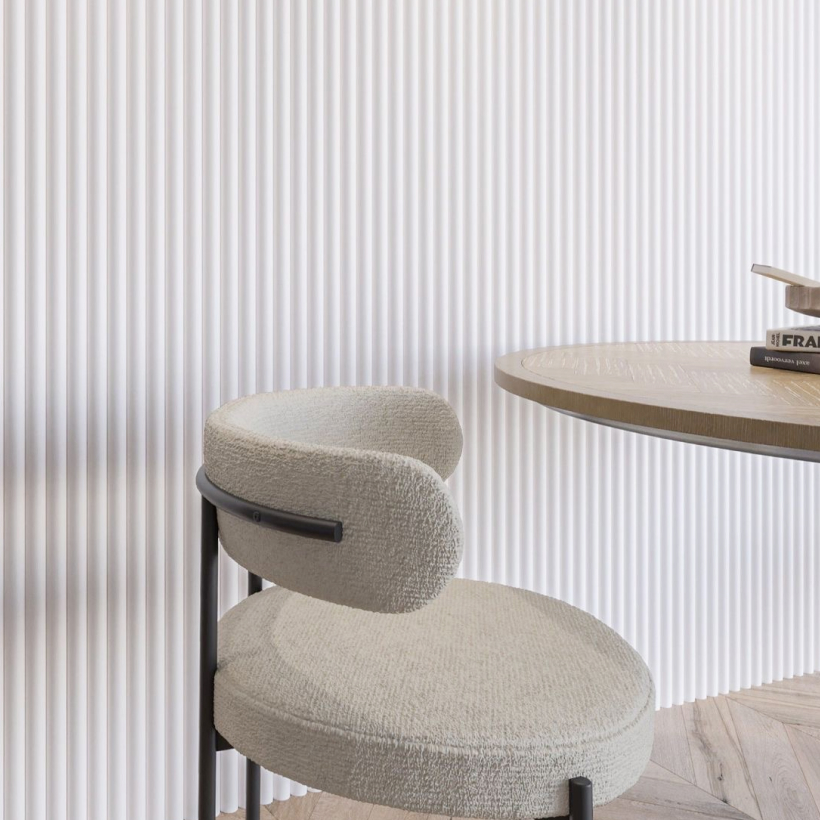
- Wall Panels. A vast selection of textures. You can create a wood-effect accent wall in a bedroom, style a TV zone with a concrete look in a loft, or use white slatted panels in a Scandinavian-style space.
Wall Panels. A vast selection of textures. You can create a wood-effect accent wall in a bedroom, style a TV zone with a concrete look in a loft, or use white slatted panels in a Scandinavian-style space.
Quick reference guide: what to choose for your needs?
| Criterion | Wall Panels | Wall Paint |
| Total Cost | More affordable | More expensive due to preparation |
| Practicality | Easy to clean | Harder to maintain |
| Durability | Up to 20 years | Requires periodic renewal |
| Installation Speed | 1–2 days | 5–10 days |
| Cleanliness of Work | "Dry" installation | "Wet" process, lots of dust |
| Design | Textures, space zoning | Unlimited color choice |
When panels are clearly the Better Choice (and Vice Versa)
Scenarios for panels:
- New builds. Buildings settle, causing cracks in painted walls. Panel installation on a frame is not affected by these deformations.
- Fast renovation. When you need to move in urgently and without mess.
- Commercial spaces. Offices, cafes, shops — where durability and speed of finishing are essential.
- Accent walls. To add texture and character to an interior without complex work.
Scenarios for paint:
- Perfectly flat walls. If you were lucky with your builders and wall filling is not required.
- Budget cosmetic renovation. If you're willing to paint over existing wallpaper or a painted surface and are not aiming for perfect quality.
- Frequent color changes. If you enjoy repainting your walls every 2–3 years.
Frequently asked questions
Can wall panels be installed in a bathroom or kitchen?
How difficult is it to install wall panels yourself?
Installation using liquid nails, adhesive, or clips is a task that even a beginner can handle. Detailed instructions are usually included with the materials.
Do panels “eat up” space in a room?
With adhesive installation, panel thickness is only 6–12 mm and is barely noticeable. With a frame installation method, you lose about 3–5 cm from each wall. This approach is justified for very uneven walls or when you need to conceal коммуникации, and overall space loss remains minimal.
Conclusion
Expert recommendation from a lead 3D designer: "The most common mistake when choosing paint is underestimating the cost of preparation work. A client sees the price for painting walls with emulsion paint and forgets that 70–80% of the budget will be consumed by the leveling work alone. Always calculate the full turnkey cost per square meter."
The choice between paint and panels is a choice between tradition and modern technology. As an expert, I am convinced that high-quality wall panels are the future. They solve the main "pain points" of renovation: they save your budget at the labor stage, reduce timelines, simplify maintenance, and last for decades. This is a smart, practical investment in your comfort.
To back this up with evidence, take a look at our wall panel catalog. You'll find a wide range of solutions, and our managers are ready to provide an accurate cost estimate for your specific project

